

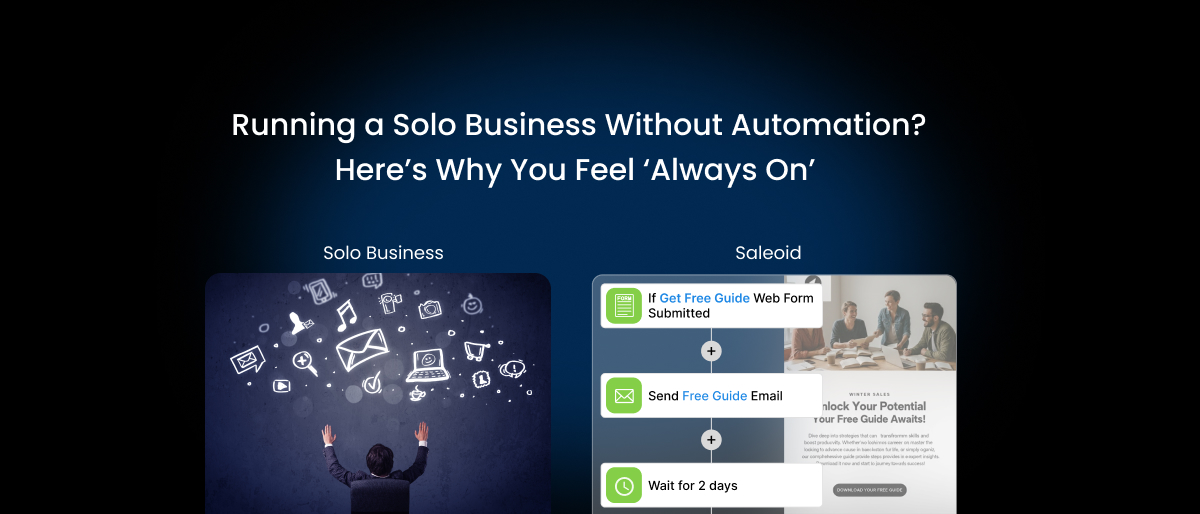

Running a solo business often looks simple from the outside. One person, full control, flexible work. But behind the scenes, many founders are quietly running three jobs at once. You reply to every message, remember every follow-up, track every lead, and send every reminder yourself. And when you stop working, everything stops with you.
That constant pressure isn’t a time-management problem. It’s a systems problem. Many solo entrepreneurs operate without structured workflows or CRM software for small businesses, which means conversations, leads, and tasks live across inboxes, spreadsheets, and memory instead of a single organized system.
Recent research shows small businesses still spend hours every week on repetitive administrative work that could be automated, with employees losing more than 5.5 hours weekly to routine manual tasks like emails, updates, and tracking work that often spills beyond normal working hours.
This is exactly why automation for solo business owners is becoming less about efficiency and more about survival. Because the real goal isn’t doing more work faster, it’s building a business that doesn’t need you online every minute to keep moving.
The Hidden Reality of Solo Businesses: You’re the System

Most solo businesses don’t actually run on processes; they run on memory. You remember who messaged last week, who needs a reminder tomorrow, which client is waiting for a proposal, and which lead said, “Let’s connect next month.”
Nothing moves unless you personally move it forward. And while that level of control feels manageable in the beginning, it slowly turns into dependency. The business depends entirely on your attention to function, which is exactly why automation for solo business owners is becoming less of a luxury and more of a necessity.
This is where many solo founders get stuck. Growth doesn’t fail because demand is low; it slows down because every small task requires manual effort instead of structured business workflow automation.
A new inquiry comes in, and you draft a reply yourself. A potential client shows interest, and you make a mental note to follow up later. Sometimes it happens, sometimes it doesn’t. Client information lives across spreadsheets, emails, and notes apps instead of a single lead management system. You switch between tools just to understand what needs to be done next.
For a consultant, this often means spending evenings sending proposal follow-ups instead of focusing on billable work.
For freelancers, it’s checking inboxes repeatedly to ensure no opportunity goes unanswered.
Coaches manually remind clients about sessions, while small agencies track conversations across WhatsApp, email, and spreadsheets just to stay organized.
None of this feels dramatic in isolation. But together, these small manual actions create constant background pressure, a feeling that you can never fully step away because something important might slip through the cracks.
Without automation, operational independence never really exists. The business works only when you’re actively managing it, which limits productivity to how much you can personally handle in a day. This is why many founders begin searching for an affordable CRM for solo entrepreneurs to scale fast and regain control of their time.
What “Always On” Actually Means and Why It Leads to Burnout

When solo business owners say they feel “always on,” it rarely means they are working nonstop on meaningful work. More often, their attention is constantly pulled in small directions like checking messages, remembering tasks, and responding quickly so opportunities don’t disappear.
The real exhaustion comes from continuous interruption. Over time, these interruptions quietly replace focused work with reactive work, making the day feel full while progress feels slow. Without marketing automation software, daily operations remain dependent on constant availability.
Manual Responses Steal Deep Work Time
Every new inquiry feels urgent. A message pops up, an email arrives, a form submission needs acknowledgement, and you respond immediately because you don’t want to lose a potential client.
Individually, these replies take only minutes. But collectively, they fragment your day and reduce your ability to focus on high-value work.
Research shows it can take more than 20 minutes to regain focus after an interruption, meaning frequent context switching significantly reduces deep work capacity. Instead of strategy, creative output, or delivery work, solo founders spend large portions of their day managing communication manually, something automated customer communication systems are designed to handle.
Consultants pause project work to answer inquiries. Freelancers interrupt creative flow to confirm pricing or availability. Coaches respond manually to routine questions they’ve already answered dozens of times before.
The result is lost time, momentum and reduced productivity.
Manual Reminders Create Mental Fatigue
One of the heaviest invisible burdens in a solo business is remembering everything.
Follow up with a lead next week. Remind a client about an upcoming session. Check back after sending a proposal. Reconnect with someone who showed interest last month.
These tasks live in your head long before they live in any structured productivity system or automated workflow.
Productivity research shows people experience higher stress levels when managing unfinished tasks mentally rather than through organized systems, often called the “open loop” effect. Your brain keeps revisiting pending actions even outside working hours, which is why many solo founders feel mentally occupied even when they are technically off work.
Manual reminders consume both time and cognitive energy, two resources solo entrepreneurs already operate with in limited supply.
Manual Tracking Causes Missed Opportunities
Spreadsheets, notes apps, inbox searches, and chat threads often become the default tracking method for solo businesses. It works until it doesn’t.
A lead gets buried under newer conversations. A follow-up date passes unnoticed. A warm prospect slowly goes cold simply because there was no structured reminder or automated lead tracking workflow in place.
Businesses using automated lead management and client pipeline systems consistently maintain higher response rates compared to manual tracking, where opportunities are more likely to slip through gaps created by human oversight.
For small agencies juggling multiple conversations or freelancers managing several prospects at once, the issue isn’t lack of effort; it’s lack of visibility. Without a workflow automation system, it becomes difficult to know what needs attention at any given moment.
And this is where burnout quietly builds from trying to manually manage processes that automation can handle reliably in the background.
What Automation Actually Does for a Solo Business

Automation doesn’t mean turning your business into a machine or removing the personal touch. For solo founders, it simply means the routine work continues even when you’re not actively managing every step.
Instead of relying on memory, sticky notes, or constant checking, your business begins to run on structured workflows that handle repetitive actions automatically. That’s why automation for solo business owners is less about technology and more about reducing daily pressure.
Let’s see what automation actually changes in real, practical terms.
- Respond Instantly Even When You’re Offline
In a manual setup, responses depend entirely on when you open your inbox. But automation ensures every inquiry gets acknowledged immediately.
- New leads receive instant replies or confirmations
- Basic questions are answered automatically
- Prospects feel attended to without delays
- You avoid losing opportunities due to slow response time
This kind of automated customer engagement platform keeps conversations moving without requiring you to stay online all day.
- Follow Up Automatically
Follow-ups are where most opportunities are lost. This is not because of lack of interest, but because life gets busy.
With small business automation tools, follow-ups happen based on timing instead of memory:
- Automatic reminders after sending proposals
- Scheduled check-ins with interested leads
- Gentle nudges when prospects go quiet
- Consistent communication without manual effort
You no longer rely on mental notes or scattered reminders to maintain relationships.
Read our blog on automated sales follow-ups and how you can stop losing 80% of your business sales.
- Track Leads Without Spreadsheets or Tool Switching
Many solo entrepreneurs manage leads across emails, spreadsheets, and chat apps. Automation replaces this scattered tracking with a centralized system.
Instead of searching for information, you get:
- Organized lead management in one place
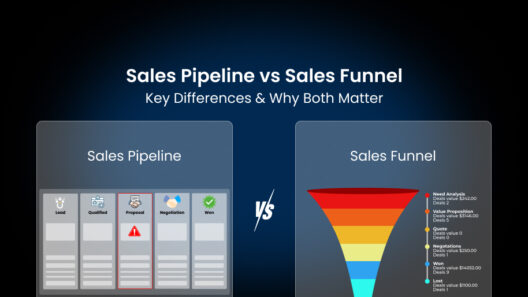
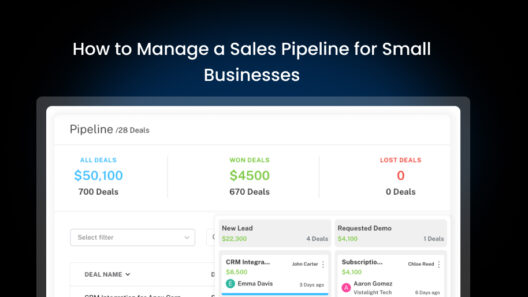
- Clear visibility into your client pipeline
- Automatic updates when actions happen
- Simple client tracking without manual data entry
This is where a lightweight CRM for solo entrepreneurs or workflow system removes confusion and saves hours each week.
- Stay Consistent Without Carrying the Mental Load
Consistency is difficult when every action depends on remembering what to do next.
Automation creates reliable productivity systems that work quietly in the background:
- Reminders trigger automatically
- Tasks move through predefined workflows
- No missed follow-ups or forgotten conversations
- Less decision fatigue throughout the day
Instead of constantly asking, “What did I forget?”, you always know what needs attention.
Imagine there’s a potential client who messages you at 11 PM asking about your services. Without automation:
- The message waits until morning.
- Response timing depends on your availability.
- Follow-up may or may not happen later.
With business workflow automation:
- The system instantly responds and acknowledges the inquiry.
- The lead is automatically added to your pipeline.
- A reminder is scheduled for you to review it the next day.
- If there’s no reply, a follow-up message is triggered automatically.
Nothing complicated, overwhelming, or slips through the cracks either.
Minimum Automation Stack Solo Business Owners Actually Need
When solo founders start looking into automation, they often assume they need a complex system filled with dashboards, integrations, and features designed for large teams. That’s usually where confusion begins.
In reality, most solo businesses don’t need enterprise software. They need simple systems that remove repetitive work and keep daily operations organized without adding complexity.
The goal of automation for solo business owners is to create a small, reliable foundation that handles communication, tracking, and follow-ups automatically.
Below is the minimum automation setup that actually makes a difference.
- Lead Capture, So Opportunities Don’t Depend on Timing
Every business opportunity starts with someone showing interest. But when leads arrive through multiple channels like website forms, social media, or messages. They’re easy to miss or forget.
A basic automation system should:
- Capture inquiries automatically in one place
- Store contact details without manual entry
- Organize new leads instantly into your workflow
- Prevent leads from getting lost in inboxes or chats
This creates the first step toward structured lead management instead of scattered conversations.
- Automated Follow-Ups Because Consistency Wins Clients
Many deals aren’t lost due to rejection but due to silence. Manual follow-ups depend on memory and available time, which makes consistency difficult. With small business workflow automation, follow-ups can:
- Trigger automatically after inquiries or proposals
- Send reminders at the right intervals
- Reconnect with warm prospects without manual effort
- Maintain communication without feeling pushy
This makes sure no opportunity fades simply because your schedule got busy.
- Reminders & Scheduling Remove the Mental Load
Solo entrepreneurs often carry their task list mentally, remembering meetings, callbacks, and deadlines throughout the day.
Automation replaces this mental tracking with structured workflows:
- Automatic reminders for meetings or sessions
- Scheduled task notifications
- Timely prompts for follow-ups or next steps
- Less dependence on notes, alarms, or memory
These small automations form powerful productivity systems that reduce decision fatigue and daily stress.
- Pipeline Tracking Know Exactly What Needs Attention
Without visibility, it’s hard to know which leads are active, which are waiting, and which need follow-up. Many solo founders rely on spreadsheets or inbox searches, which quickly become overwhelming.
A simple automation setup provides:
- A clear client pipeline view
- Status tracking for every lead or client
- Automatic updates as conversations progress
- Centralized client tracking without manual updates
Instead of guessing what to do next, your workflow shows you.
- Client Communication History, Everything in One Place
Switching between email threads, chat apps, and notes wastes time and creates confusion. Automation keeps communication organized automatically. You can easily:
- View past conversations instantly
- Track responses and interactions
- Understand client context before replying
- Maintain professional continuity without searching across tools
This is where a lightweight CRM for solo entrepreneurs becomes practical. It’s not as a complex system, but as a simple record of relationships.
When these core pieces work together, your business stops depending entirely on manual effort. You’re still in control, but the routine operations continue automatically in the background, which is exactly what effective automation tools for entrepreneurs are meant to do.
Top 5 CRM Software for Solo Business Owners
If you’re serious about automation for solo business owners, a lightweight CRM system can be revolutionary. Rather than juggling spreadsheets, inboxes, and sticky notes, the right CRM software for small businesses centralizes leads, automates follow-ups, and helps you stay organized without complexity.
Below is a quick comparison of some of the best options perfect for solo entrepreneurs. These CRMs are selected based on:
- Ease of use for one-person businesses and solopreneurs
- Affordability or entry-level plans
- Lead tracking, pipeline visibility, and basic automation features
- Minimal learning curve compared to enterprise tools
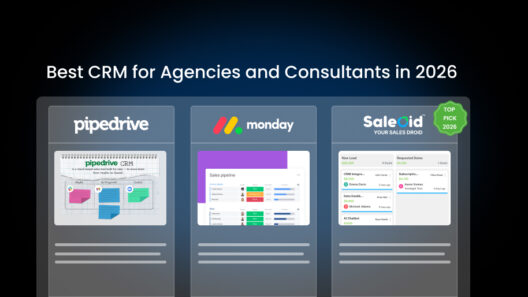
| CRM Tool | Best For | Lead Capture | Automated Follow-Ups | Pipeline Tracking | Price Range |
|---|---|---|---|---|---|
| Saleoid | All-in-one CRM + automation suite built for small businesses | ✔ | ✔ | ✔ | Starts at ~$5/mo |
| HubSpot CRM | Free entry-level CRM with essential features | ✔ | ✔ | ✔ | Free; paid upgrades |
| Pipedrive | Visual sales pipeline for solo sellers | ✔ | ✔ | ✔ | ~$14/mo |
| Capsule CRM | Simple, clean interface for solopreneurs | ✔ | ✔ | ✔ | Free & paid plans |
| Nimble CRM | Contact-centric CRM with social insights | ✔ | ✔ | ✔ | ~$24.90/mo |
- Saleoid – Best All-in-One for Solo Businesses
- Designed specifically for small businesses and solo owners
- Combines sales CRM with automation workflows and engagement tools
- Starts affordable and modular (no unnecessary features)
This makes it ideal if you want more than just a CRM, i.e. a system that automates repetitive business tasks instead of adding complexity.
- HubSpot CRM – Best Free Start
- A great starter CRM with contact management, deal tracking, and follow-ups
- Easy onboarding with minimal learning curve
- Unlimited free tier makes it popular for early stage entrepreneurs
Perfect if you’re new to CRM systems and want essential automation without cost.
- Pipedrive – Best for Visual Pipeline Management
- Focuses on intuitive, drag-and-drop sales pipelines
- Excellent at helping solo sellers see exactly where leads stand
- Can grow with your business as your process becomes more defined
Good choice if visual sales tracking helps you stay organized.
- Capsule CRM – Simple & Straightforward
- Minimalist CRM that keeps contact and pipeline management easy
- Free tier available with essential features
- Easy to adopt without training or setup overhead
Great option for freelancers or consultants who want simplicity over complexity.
- Nimble CRM – Best for Relationship-Focused Work
- Built around contact and activity history instead of complex modules
- Integration with email and social data to automatically pull contact details
- Ideal if networking and personal follow-ups are central to your business
Recommended for coaches, consultants, and client-centric services.
Final Thoughts!
Running a solo business has never been about avoiding effort. Most founders are willing to work hard. But the real challenge is the constant work that never seems to end. The replies, reminders, tracking, and follow-ups quietly fill every gap in the day, making the business dependent on your continuous attention.
That’s the difference between manual operations and automated systems. Automation changes that dynamic.
It doesn’t reduce your involvement in meaningful work; it removes the repetitive actions that keep you stuck in reactive mode. With structured workflow automation and simple productivity systems in place, responses happen on time, follow-ups stay consistent, and client tracking continues without manual effort. The business gains continuity, even when you’re focused elsewhere.If you’ve been managing everything manually, exploring automation for solo business owners through a lightweight platform like Saleoid can be a practical first step. You can trust Saleoid as it offers custom CRM pricing through which you can start small, test automation at your own pace, and avoid committing to expensive bundled plans or upgrade traps before you’re ready.